Blog
Five Drinks That Shaped the History of Diplomacy
When people think of diplomacy, they often focus on historic agreements, landmark speeches, and high-level international meetings. Yet behind many important decisions was something much simpler—a shared drink that helped create a more relaxed atmosphere and encouraged open conversation.
Of course, no single beverage changed history on its own, but several have become enduring symbols of diplomacy and international relations.
1. Champagne – The Drink of Celebration and Peace
From the signing of international treaties to official state receptions, champagne has long symbolized successful negotiations and new beginnings. Opening a bottle of champagne often marks the start of a new partnership or the celebration of a diplomatic achievement.
2. Whisky – A Statesman's Choice
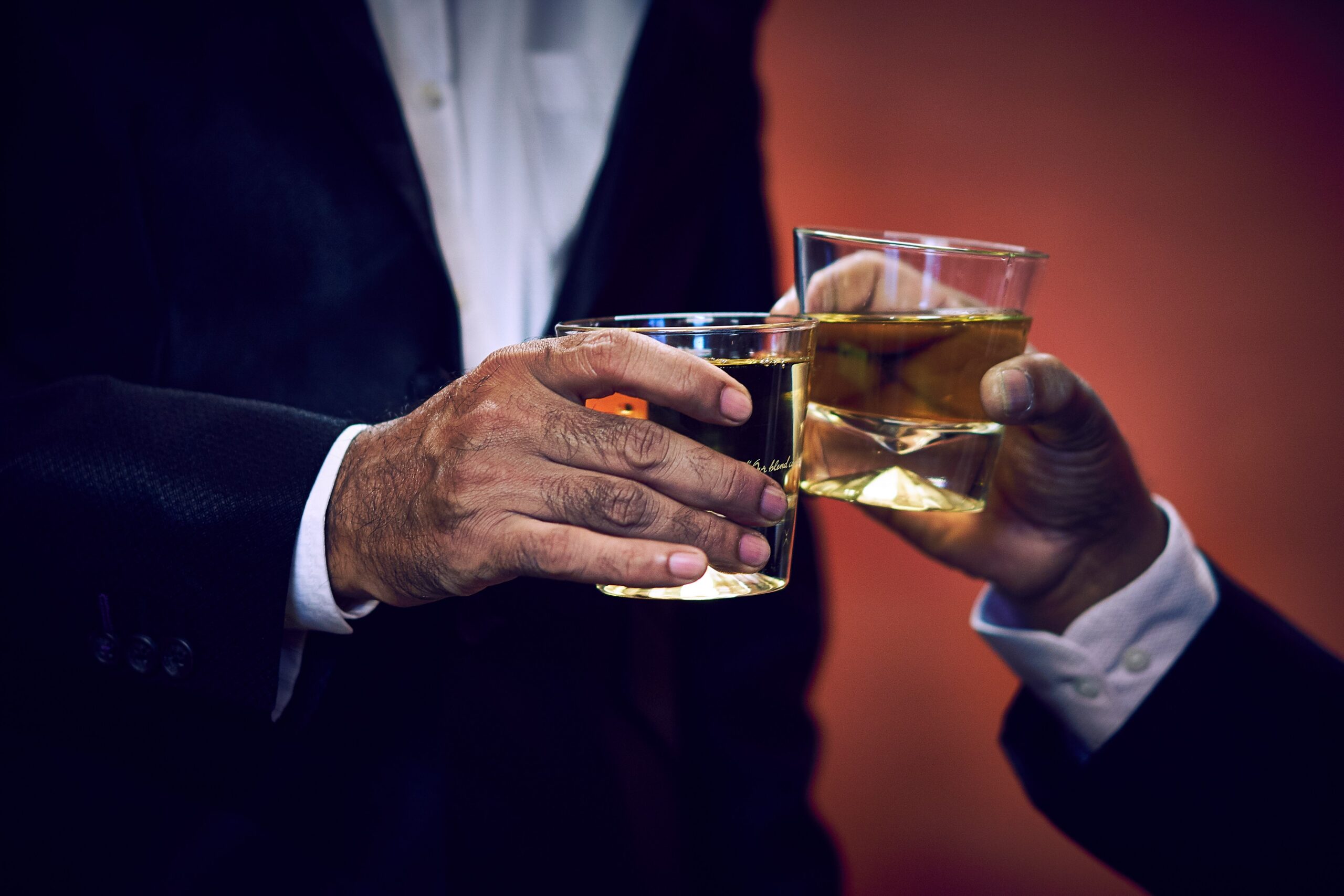
Scotch whisky became a favorite at many official dinners throughout the 20th century. Numerous world leaders preferred it during informal conversations, where some of history's most important ideas and decisions were often discussed.
3. Cognac – A Symbol of Elegance
For decades, French cognac has held a distinguished place at state banquets and diplomatic receptions. Its heritage, craftsmanship, and prestige have made it one of the most appreciated after-dinner drinks in diplomatic circles.
4. Wine – The Universal Language of Hospitality
Across cultures and continents, wine has long represented friendship, tradition, and mutual respect. Almost every country takes pride in its own winemaking heritage, making wine a natural choice for welcoming international guests and strengthening relationships.
5. Tea – More Than Just a Beverage
In many Asian and Middle Eastern cultures, tea is far more than a drink—it is the first step toward building trust. The tea ceremony often carries as much significance as the conversation itself, symbolizing hospitality, respect, and meaningful dialogue.
The Most Important Ingredient Isn't in the Glass
Regardless of what is served, successful diplomacy has always been built on trust, mutual respect, and a willingness to engage in open dialogue.
A drink may help create a pleasant atmosphere, but it is people who build lasting relationships.
That is why quality, tradition, and the art of hospitality continue to play an important role in successful business meetings and diplomatic gatherings around the world.